Perspective

noun

  1. the art of drawing solid objects on a two-dimensional surface so as to give the right impression of their height, width, depth, and position in relation to each other when viewed from a particular point.
  2. a particular attitude toward or way of regarding something; a point of view.

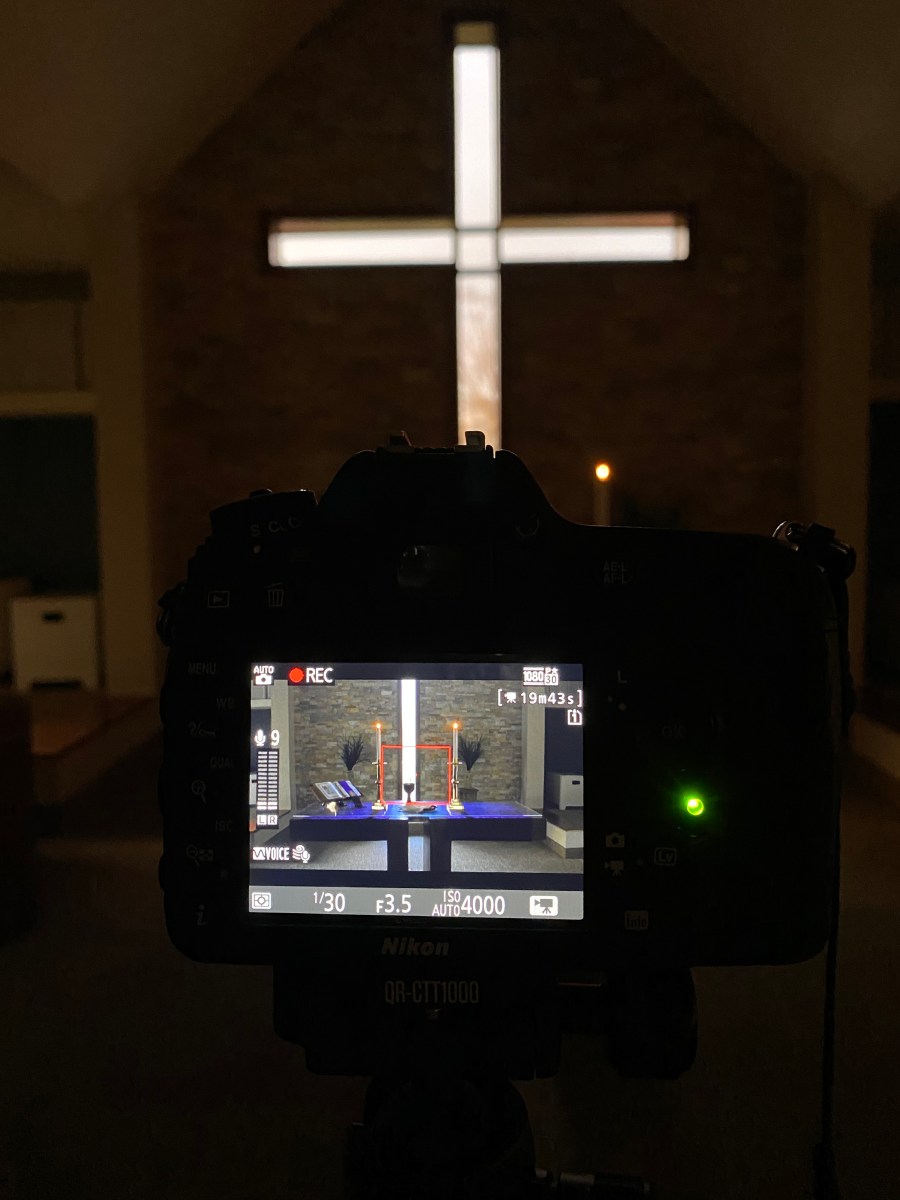
When I took today’s picture, I was staging images for use last Easter – Virtual Holy Week 1.0, if you will. I was thinking at the time that these things would be good reminders of that crazy, singular time that we were in. It was all new and scary; in the first weeks of the pandemic we were saying things like “well, if we are still doing this by Easter…”

And here we are, about to do it again.

The last two weeks have been difficult; for me and, I’m learning, for quite a few others. I’m chalking it up to emotional exhaustion; hitting that one year wall. I read an article the other day about how the 3/4 mark has proven to be the worst for people living through extreme situations, and that felt about right too.

Willis and I were talking this week about how things are going in his classroom; as a high school choir teacher he is now in the classroom 4 days a week, teaching concurrently to the handful of hybrid students in the room with him and the frequently faceless avatars in the google meet.

It’s awful, is how its going.

He was lamenting the very valid, career altering and emotionally devastating things that he and a lot of the fine arts teachers (all teachers, honestly) are facing right now. And as he was talking, he said something that really stuck with me: “I haven’t lost anyone to the virus, I know I shouldn’t complain, it isn’t that bad.”

I know that perspective is important, crucial even. But my (potentially unpopular) opinion is that over the last year we have nearly weaponized that concept. There have been very real consequences in the last year – very real traumas. There has been an absolutely horrific loss of life, yes, but there are many living in worlds they wouldn’t have chosen for their worst enemy a year ago.

Maybe rather than dismissing our sorrow as not being valid because our loss isn’t significant enough, the perspective we need is that maybe, in some ways, it is that bad. It is ok to look at ourselves in the (hopefully) last quarter of this trial and wish everything was entirely different.

Should we dwell in that? Of course not. But knowing that you have been wounded by circumstances far out of your control is the first part of being able to accept it, and eventually heal.

Looking back on this picture today, I am struck by the brightness of the image in the viewfinder compared to the rest of the room. It was very dark that evening, and with the right perspective the camera was able to use the window and the candles in a really beautiful way.

But it really was dark in the room, and if we hadn’t acknowledged that, we wouldn’t have known what to adjust to find the light.
New

See, I am doing a new thing!
Now it springs up; do you not perceive it?
I am making a way in the wilderness
and streams in the wasteland.

Isaiah 43:19

After the last year, I am not sure I need to hear the phrase “new normal” ever again. In fact, I might start finding it a little triggering.

I know how the phrase is offered – it is meant to mean “settle into the now”; don’t put everything on hold while you wait for yesterday’s settings to return. It is a reasonable and often necessary sentiment. I didn’t hear the phrase for the first time in the Spring of 2020 – businesses and schools are always evolving to a “new normal” – but it was the first time so much of my world had ended up in the discard pile. The first time that “new” was an instrument of survival, and not improvement.

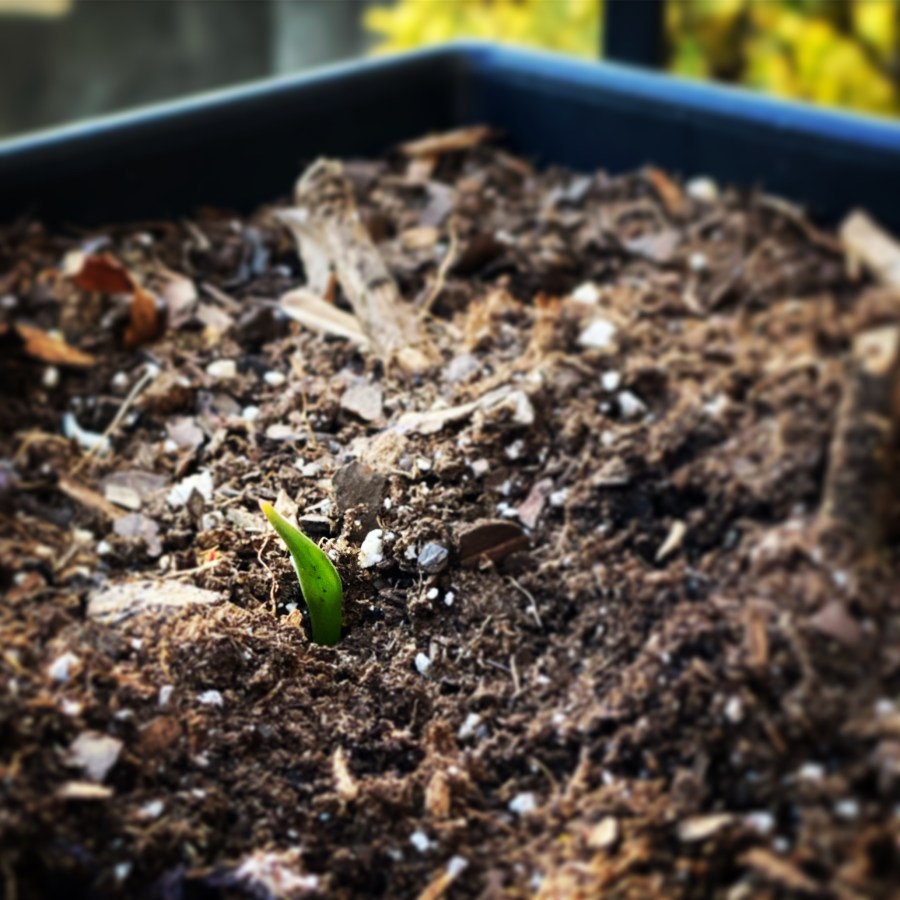
The other day I noticed that a small green leaf had poked through the dirt in a pot that I didn’t realize contained anything that would have survived the winter. I think it might be a new tulip, but I’m not sure yet.

This past week as we collected images for the Sunday morning videos, we had images of new little buds and flowers for the first time in months.

And as I reflect on these wonderful, expected, predictable demonstrations of rebirth, I can’t help but think of how amazingly normal God’s “new” really is. How extraordinary it is, in a world of change, to count on His miracles; His mercies made new every morning.

Love

The title of this morning’s sermon was ‘What He did for love”, a message inspired by maybe the most well known scripture there is: “For God so loved the world that he gave his one and only Son, that whoever believes in him shall not perish but have eternal life.” (John 3:16)

It was a fantastic message, one that made clear the reckless love of Jesus and filled the empty room with warmth and light.

But music theater nerd that I am, that sermon title took me into the musical A Chorus Line, where we find the song “What I did for love”.

A Chorus Line ran for more than 6,000 performances and held the title of the longest running show in Broadway history for a long time. Its one of my favorites, even though the amount of dancing required prevents me from ever being in it and the…”maturity” of the script precludes me from being able to produce it with youth actors.

The show is about dancers auditioning to be a part of a chorus line. All of the characters are desperate for the job, and all of them are shocked when the director asks them to talk about themselves – a stark conceptual contrast to the uniformity and anonymity of the ensemble they are auditioning to be a part of. The rest of the show follows the characters reluctantly telling their stories of growing up, of learning their craft, and of the various traumas and heartbreaks they have overcome and, in some cases, repressed just enough to get by.

Its a show about dancing, but it is relatable to any performer. You spend your life chasing a moving target – working towards being the perfect talent for a role that hasn’t been written, an art that hasn’t been crafted.

Near the end of the show a character that has become special to the audience falls and reinjures his knee, removing him from casting consideration and leaving open the possibility that he won’t be able to perform again. This prompts the director to ask his now sullen stage of hopefuls “What will you do when you can no longer dance?”

This is the answer:

Kiss today goodbye
The sweetness and the sorrow
Wish me luck, the same to you
But I can’t regret
What I did for love, what I did for love

Look, my eyes are dry
The gift was ours to borrow
It’s as if we always knew
And I won’t forget what I did for love
What I did for love

Gone
Love is never gone
As we travel on
Love’s what we’ll remember

Kiss today goodbye
And point me toward tomorrow
We did what we had to do
Won’t forget, can’t regret
What I did for love

Songwriters: Marvin Hamlisch / Edward Kleban

A year ago, an unforgiving virus entered our world and knocked the performing arts community to its knees. Sanctuaries, concert venues and theaters were ordered empty, but finding an audience was only one problem.

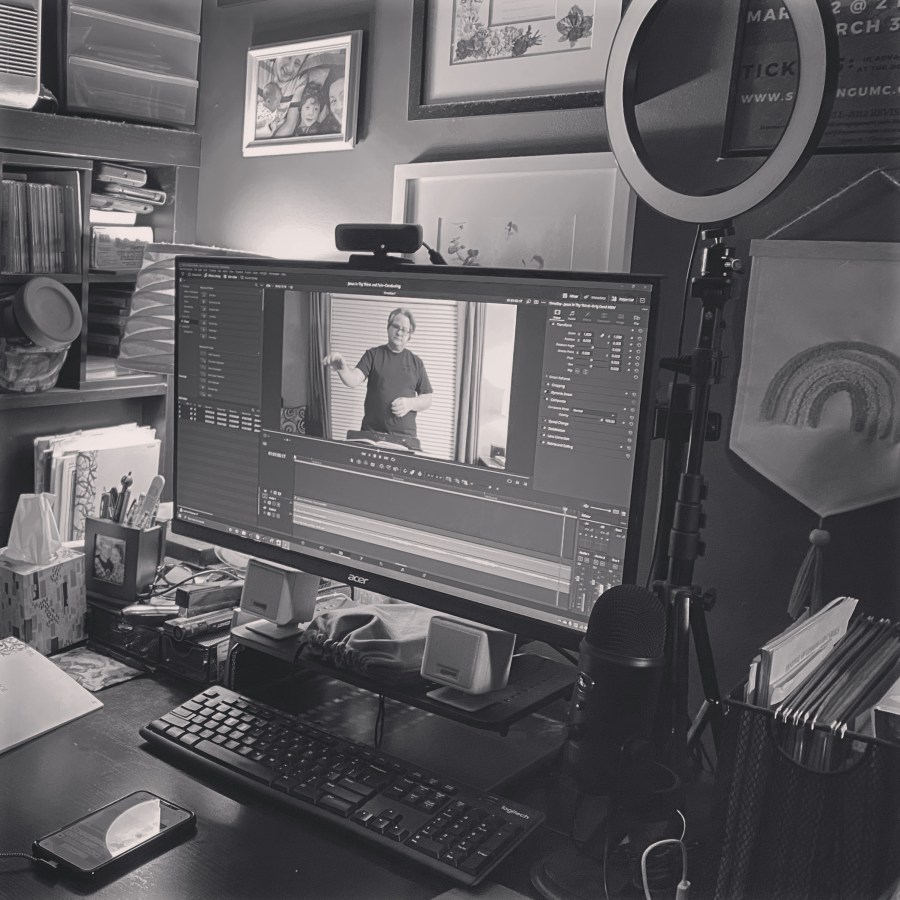
From this singer’s perspective – having spent years learning how to project my voice and use my lungs to power my music – I knew exactly why it was dangerous. We all knew, that’s why it hurt so badly. We knew exactly what was at stake for ourselves and for the people that we sang with. We’d all read the stories that spread like wildfire in the beginning; choirs that did everything right and still became the unlucky example to us all. Every choir director had inboxes full of cautionary tales and encyclopedias of regulations to follow before even a single note could be considered.

What will you do when you can no longer sing?

First, you completely lose your mind. You grieve and ache. You look at stacks of music and unrealized plans and remember lovingly choosing those scores to the specific personalities and talents around you. You realize you can’t just hit pause and resume when things go back to “normal”. You accept that your “normal” will be one of the last ones to return.

So you open the encyclopedia of rules and find out what you can do: You can record. A lot. But you will need to convince a lot of other people to do it too. If you can’t, you will ask again. And again and again. You will try to rehearse online. Some people who miss singing as much as you do will start to sing with you, and your heart will break because you know how hard and different it is for them. Some people who miss singing as much as you do just won’t be able to do this, and your heart will break wondering if there was something you could have done to make it possible.

You will get recordings but need to figure out what to do with them. You will learn skills you never thought of and fill your home with technology you never imagined needing. You will pray that God opens your mind to see beyond the pixels so that you will be a good steward of the efforts entrusted to you. You will never lose sight that these offerings of uploads were created in fear and love to glorify our great God.

You will hold vigil in this “normal”, as life crawls back to a steady pace around you. You will continue to look for the beauty, seek what is unique and valuable, and honor the craft that is before you.

That is where my answer ends, because that is as far as we have come. But I have to believe that when it is all over – when the masks are gone and we lift our voices together again, when we spend our time rehearsing and laughing and performing instead of producing – we will look back and know that, for this season, we did what we had to do.


Won’t forget, can’t regret
What I did for love

Promise

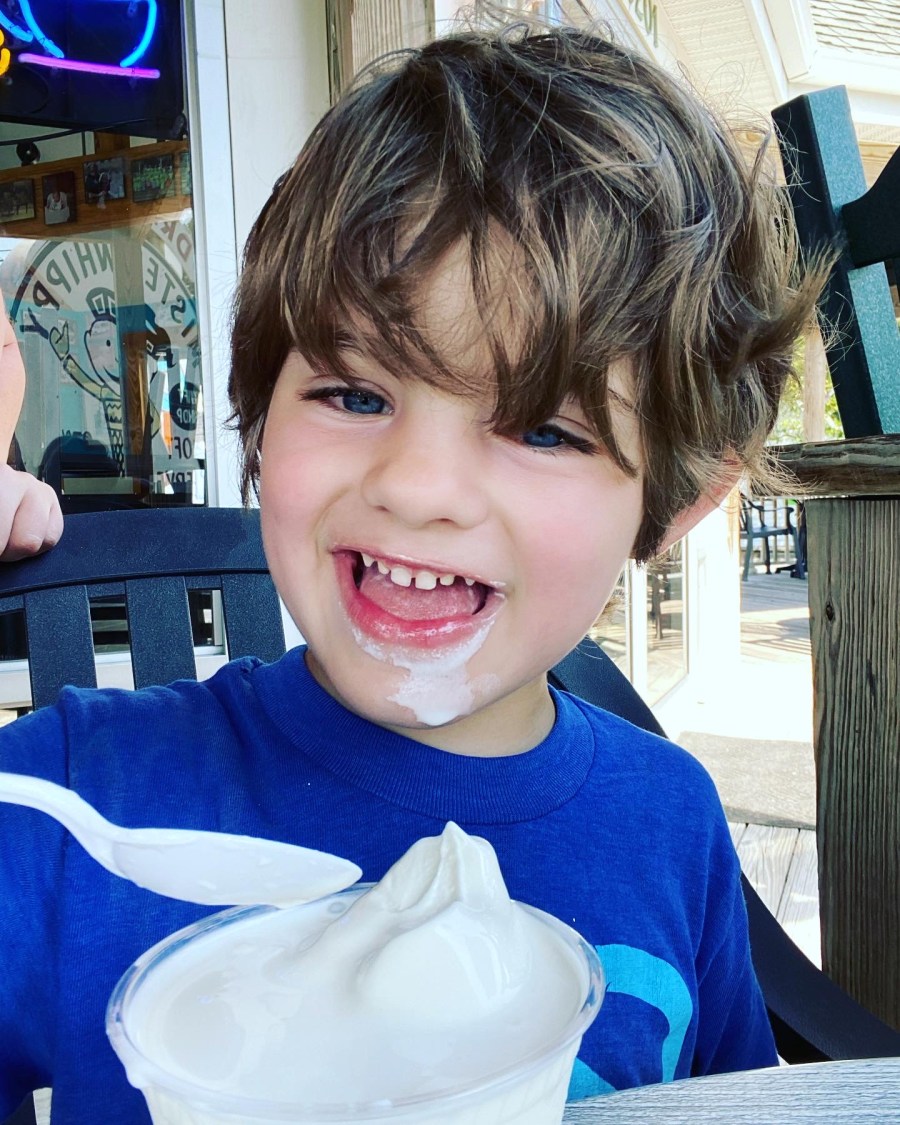
It has become a summer tradition for us to spend a week at the beach with our best friends. Our “framily“, if you will. Altogether, there are 9 of us – 4 adults and 5 kids – and we rent a big beach house and function as a big, loud, happy family unit for a week.

On the earliest trips, when the kids were younger, the ratio of kids to adults meant that there was always a kid convinced that one of the adults had “promised” something to the group. The 4 of us would practically hold staff meetings and develop a party line on the things the kids were lobbying for, trying to seal off the cracks where the kids might insert their own interpretations as much as possible.

But careful communication does nothing to prevent selective hearing, so statements like “we will go to Mister Whippy if its too rainy to go to the beach” or “we can go to the waterpark if it is open” usually ended with someone gravely disappointed. “But Mom promised!” “But Dad PROMISED!!”

‘BUTTTT YOUUUUU PROMISSSEEEEEDDDDDD!!!?!?!?!?!”

“I have told you these things, so that in me you may have peace. In this world you will have trouble. But take heart! I have overcome the world.”

John 16:33

I think sometimes we read the Word and pull promises from it the same way my son pulls promises from offhanded comments about milk shakes. I have seen inspirational posters using just part of the scripture above: “But take heart! I have overcome the world”.

But that does such a disservice – not just to our understanding, but to the promise itself.

The promise isn’t that you will never face suffering; to believe that is to end up gravely disappointed, or worse, deeply disillusioned. Jesus knows this, which is why He tells us – “you will have trouble”. No doubt.

The promise is that, despite our inevitable trouble, in Him we will have peace. We will have peace because He has overcome the world.

This is a promise that we will endure; that the worst thing is never the last thing; that surely He will be with us to the very end of the age.